Easter Sublimation: A Designer's Real-World Review
As a designer who has spent years navigating the intersection of digital graphics and physical textile production, I approach every new asset with a critical eye. When I first encountered Easter Sublimation, my immediate reaction was to assess its potential beyond the screen. This is not just another file sitting in a folder; it is a visual promise that needs to translate into a tangible finished product. The description highlights this as a "Graphic Printable Sublimation Design" best for t-shirts, mugs, and other purposes, but my job is to determine how this specific aesthetic holds up when we talk about texture, durability, and commercial viability.
The Visual Mood and Initial Impression
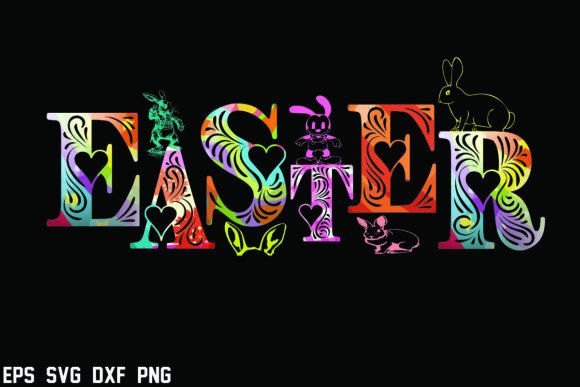
At first glance, Easter Sublimation exudes a cheerful, seasonal energy that is essential for spring collections. The layout suggests a bold statement piece, likely centered around the phrase "This is My Easter." For an embroidery project or a sublimated item, the clarity of the text and the surrounding graphics are paramount. In the world of custom apparel, a design must communicate its message instantly. If you are an Etsy seller or running a small boutique, your customers often make split-second decisions based on mockups. Does this graphic pop? Yes. But does it have the depth required for high-end handmade products? That depends entirely on how you execute the final output.
The design feels like it belongs on a crisp white tote bag or a pastel-colored sweatshirt. It has that classic holiday vibe that appeals to families looking for matching outfits or personalized gifts. However, because it is categorized under Graphics and labeled as a Freebie, I am naturally cautious about the resolution and vector integrity. A low-resolution image might look fine on a phone screen but could turn pixelated or muddy when scaled up for a large format print or converted into a dense machine embroidery design.
Translating Graphics to Textile Reality
Let’s imagine a real-life scenario: You are preparing a line of custom embroidered tote bags for a local craft fair. You decide to use Easter Sublimation as the centerpiece. If you were to convert this graphic into an embroidery file, the first challenge would be the lettering. Small details in the font can easily get lost if the stitch density is too high. In embroidery, we rely on satin stitch for clean edges and fill stitch for larger areas. If the original graphic has thin lines, they may require significant digitization work to prevent thread breakage or puckering.
Alternatively, if you stick to the intended sublimation method, the focus shifts to fabric choice. Sublimation works best on polyester blends or items with a polymer coating. If you try to apply this design to a 100% cotton sweatshirt without the proper transfer paper or coating, the colors will fade after the first wash. As a reviewer, I always advise testing the design on scrap fabric first. Check the thread colors or ink vibrancy against the background material. Does the contrast hold up? Is the "Easter" theme readable from three feet away?
For baby embroidery projects, such as onesies or bibs, the softness of the design matters. A heavy applique design or thick ink layer might irritate sensitive skin. Easter Sublimation seems lightweight enough for these delicate items, provided the application process doesn't stiffen the fabric. The goal is to create a personalized gift that feels premium, not cheap or scratchy.
Navigating Fabric Texture and Hoop Size
One of the most critical aspects of using any design is understanding its limitations regarding hoop size and fabric texture. While the description mentions mugs and t-shirts, the curvature of a mug presents unique challenges for sublimation. The wrap-around effect can distort the design if not aligned perfectly. Similarly, on textured fabrics like canvas or denim, the intricate details of Easter Sublimation might get swallowed by the weave of the material.
If you are converting this to an embroidered patch, you need to consider the backing. A dense design requires a strong stabilizer to maintain its shape during stitching. Without proper support, the edges of the letters could curl, ruining the professional look of your small shop product. Always inspect small details before committing to a full production run. What looks sharp on a monitor might become a tangled mess of threads if the digitizing isn't precise.
Commercial Viability and Brand Consistency
For creative entrepreneurs and digital product sellers, the value of Easter Sublimation lies in its versatility. It fits seamlessly into a spring collection, offering a cohesive look across different items like kitchen towels, pillow covers, and aprons. However, consistency is key. If you are building a brand, every finished product must meet a certain standard of quality. Using a free graphic can be risky if the file quality varies between batches.
I recommend creating printable mockups in both black and white to test the visual weight of the design. Sometimes, a colorful graphic loses impact when stripped down to grayscale. This test helps you understand if the design relies too heavily on color or if the shapes themselves carry the message. For commercial embroidery, you also need to confirm licensing terms. Even though this is listed as a Freebie, selling finished goods containing the design might require specific permissions. Never assume; always check the license to protect your business.
Practical Notes for the Workshop
Before you start your next project, keep these practical tips in mind:
- Test First: Always run a test on scrap fabric to check for bleeding, fading, or stitching errors.
- Check Contrast: Ensure the design stands out on light and dark backgrounds. Sublimation struggles on dark fabrics unless you use a special transfer sheet.
- Review Density: If embroidering, adjust the stitch density to prevent puckering, especially on stretchy materials.
- Stabilizer Use: Don't skip the stabilizer. It is the backbone of a clean embroidery project.
- Licensing Check: Verify if you can sell items made with this design commercially.
In conclusion, Easter Sublimation offers a solid foundation for seasonal projects, but its success depends on your execution. Whether you are making a single holiday gift for a friend or launching a line of custom apparel for your store, take the time to evaluate the design's performance in the real world. By paying attention to detail, fabric compatibility, and quality control, you can transform a simple graphic into a standout piece that builds customer trust and enhances your brand's reputation. Remember, the best designs are those that not only look good on the screen but feel great in the hand.